|
|

Haliotis sp.
Young abalone with a shell size of less than 3 cm take shelter within the spines of sea urchins for protection.
|
|

|
|
Balanus spp.
Barnacles are hermaphroditic (they have both female and male sex organs).
|
|

|
|
Cetorhinus maximus
The basking shark is the second largest species of fish in the world.
|
|

|
|
Asterina miniata
When two bat stars bump into each other they begin a slow-motion “arm wrestling” match. Each sea star tries to get its arm on top of the other’s arm.
|
|

|
|
Nycticorax nycticorax
Black-crowned night herons feed at night in the same areas that other heron species feed in the day.
|
|
|
|
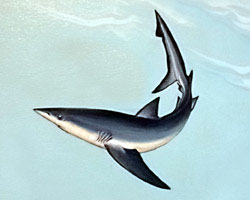
Prionace glauca
The blue shark has one of the largest ranges of all species of sharks.
|
|

|
|
Balaenoptera musculus
The blue whale is the largest living animal.
|
|

|
|
Lythrypnus dalli
These peaceful fish are often territorial with members of their own species.
|
|

|
|
Sebastes paucispinis
The bocaccio can live up to 45 years.
|
|

|
|
Tursiops truncatus
The bottlenose dolphin uses echolocation to find its prey.
|
|

|
|
Pelecanus occidentalis
The brown pelican is the smallest of all pelicans and is the only one that plunges from the air into the water to catch its food.
|
|
|
|
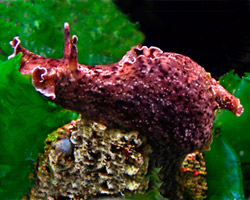
Aplysia californica
Each Sea hare may lay up to eighty million eggs. However, most of the eggs are eaten by predators.
|
|
|
|
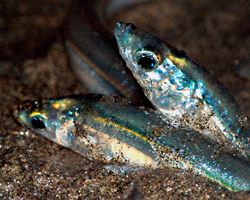
Leuresthes tenuis
Unlike other fish, grunion come completely out of the water to lay their eggs in the sand.
|
|

|
|
Paralichthys californicus
The California halibut is a flatfish with both eyes on one side of its head!
|
|

|
|
Mytilus californianus
While feeding, a mussel filters 2 to 3 quarts of water per hour.
|
|

|
|
Scorpaena guttata
The California scorpionfish has venom in its spines.
|
|

|
|
Zalophus californianus
Sea lions use their long front flippers to steer and propel themselves through the water.
|
|
|
|
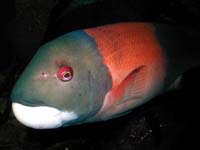
Semicossyphus pulcher
The California sheephead are all born as females.
|
|

|
|
Raja inornata
The California Skate has a skeleton made completely out of cartilage.
|
|

|
|
Panulirus interruptus
California Lobsters do not have front claws.
|
|
|
|
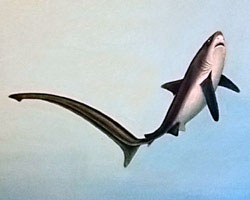
Alopias vulpinus
The common thresher shark uses its long tail in a whip-like fashion to deliver incapacitating blows to its prey.
|
|

|
|
Phronima sedentaria
The eyes of this amphipod are so large that they make up nearly a quarter of the entire body.
|
|

|
|
Aequorea victoria
Crystal jellies can expand their mouth to eat prey half their size!
|
|

|
|
Zostera marina
Eel grass is a true plant (not a seaweed) and is one of the few flowering plants that grow in the ocean.
|
|

|
|
Uca crenulata
Males have a large claw that they wave back and forth like a fiddler.
|
|

|
|
Balaenoptera physalus
The Fin whale is the second largest animal after the blue whale
|
|

|
|
Hypsypops rubicundus
Garibaldi is the California State marine fish.
|
|

|
|
Hypsypops rubicundus
Garibaldi is the California State marine fish.
|
|

|
|
Macrocystis pyrifera
Under ideal conditions, giant kelp can grow about two feet a day.
|
|

|
|
Heterostichus rostratus
The giant kelpfish can quickly change color during courtship or territorial displays.
|
|

|
|
Stereolepis gigas
This fish is huge, growing over 7.5 feet long and weighing over 500 pounds.
|
|

|
|
Pollicipes polymerus
Gooseneck barnacles can live 20 years, or more.
|
|

|
|
Eschrichtius robustus
The gray whale is a baleen whale.
|
|

|
|
Carcharodon carcharias
The great white shark is capable of explosive bursts of speed and has been known to jump 3 meters (10 feet) out of the water.
|
|

|
|
Anthopleura xanthogrammica
Some fishes develop resistance to the green anemone's sting by covering themselves with mucus.
|
|

|
|
Phocoena phocoena
The harbor porpoise is one of six species of porpoise
|
|

|
|
Phoca vitulina
The Harbor seal is the most widely distributed species of pinniped.
|
|

|
|
Pagurus sp.
Hermit crabs protect their rear ends by hiding it in a snail shell.
|
|

|
|
Heterodontus francisci
The female horn shark lays a distinctive spiral-shaped egg case.
|
|

|
|
Megaptera novaeangliae
The humpback whale has distinct patterns on the tail flukes used to identify individuals.
|
|

|
|
Paralabrax clathratus
Kelp bass reproduce by spawning (release egg and sperm into the water column) and form large aggregations in the summer months.
|
|

|
|
Orcinus orca
The killer whale, as known as the orca, is the largest dolphin.
|
|

|
|
Thysanoessa spinifera
Krill are eaten by whales, seals, penguins, squid and fish.
|
|

|
|
Phoebastria immutabilis
The wings of a laysan albatross are adapted to lock open into a wingspan of nearly seven feet.
|
|

|
|
Triakis semifasciata
Leopard sharks are bottom feeders and are named because of their stripes.
|
|
|
|
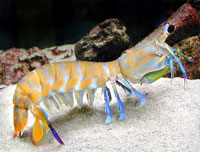
Hemisquilla ensigera
Mantis shrimp are not true shrimp, but get their name because of their appearance.
|
|

|
|
Limosa fedoa
The marbled godwit has a long, slightly upturned bill with a dark tip and pinkish base.
|
|

|
|
Loxorhynchus crispatus
The masking crab decorates itself with bits of algae, sponges and bryozoans.
|
|
|
|
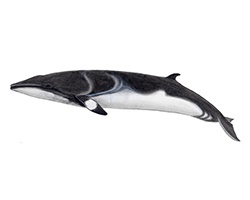
Balaenoptera acutorostrata
The minke whale is the smallest of the rorqual whales
|
|

|
|
Gymnothorax mordax
This eel's favorite prey is the octopus.
|
|

|
|
Norrisia norrisi
These snails travel up and down kelp every day.
|
|
|
|
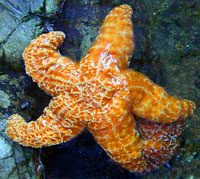
Pisaster ochraceous
These sea stars are able to digest their prey outside of their bodies.
|
|
|
|
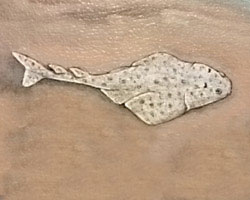
Squatina californica
The Pacific angel shark superficially looks like a ray, but is a true shark.
|
|
|
|
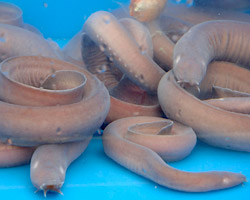
Eptatretus stoutii
Hagfish are considered to be the most primitive species of all living fish.
|
|

|
|
Merluccius productus
The Pacific hake can live up to 15 years.
|
|
|
|
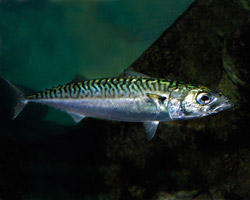
Scomber japonicus
The Pacific mackerel is also known as the chub mackerel or blue mackerel.
|
|
|
|
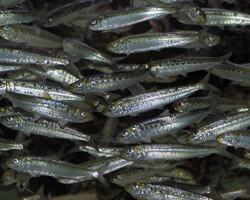
Sardinops sagax
The Pacific sardine form large schools of up to 10 million fish.
|
|

|
|
Hippocampus ingens
The Pacific seahorse reverses traditional birthing roles.
|
|

|
|
Strongylocentrotus purpuratus
Sea urchins have tube feet, which they use for attachment, locomotion and feeding.
|
|
|
|
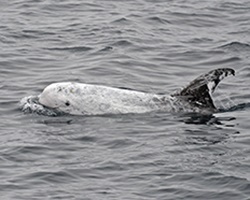
Grampus griseus
Adult Risso's dolphins bodies are typically heavily scarred, while calves have little or no scarring
|
|
|
|
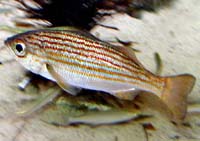
Xenistius californiensis
These fish have an up-turned mouth to better eat plankton.
|
|
|
|
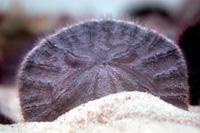
Dendraster excentricus
You can't spend these dollars, they are relatives to sea stars.
|
|

|
|
Anisotremus davidsoni
The sargo is the largest of the Pacific grunts.
|
|

|
|
Renilla koellikeri
A sea pansy is not a flower, but is an animal that is related to sea jellies.
|
|

|
|
Isurus oxyrinchus
The shortfin mako shark is able to elevate its body temperature almost 20°F above the surrounding water.
|
|

|
|
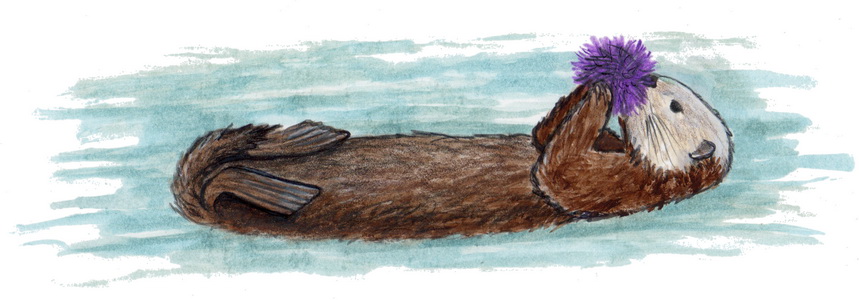
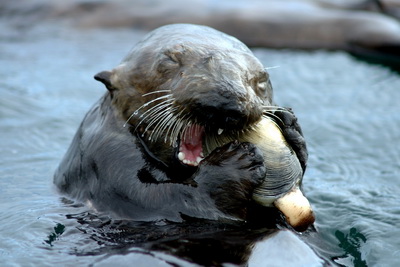
Enhydra lutris nereis
Sea otters do not have blubber to keep warm, instead they have very dense fur (up to one million hairs per square inch).
|
|

|
|
Physeter macrocephalus
The sperm whale is the largest of the toothed whales and the largest toothed predator.
|
|

|
|
Pachygrapsus crassipes
The striped shore crab spends at least half its time on land, but submerges at times to wet its gills.
|
|

|
|
Cephaloscyllium ventriosum
When stressed, the swell shark can “swell” by inflating its stomach by swallowing water.
|
|

|
|
Eucyclogobius newberryi
The tidewater goby is an endangered species.
|
|
|
|
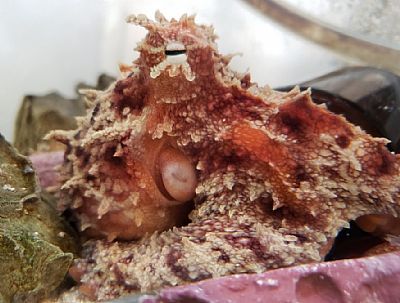
Octopus bimaculoides
Octopus are extremely intelligent and have well-developed eyes.
|
|

|
|
Larus occidentalis
The Western gull typically lives about 15 years, but can live to at least 25 years.
|
|

|
|
Cryptolepas rhachianecti
Whale barnacles live attached to the skin of whales.
|
|

|
|
Atractoscion nobilis
The white seabass is the largest species of croaker in California.
|
|
|
|
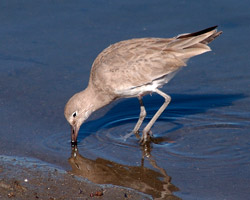
Tringa semipalmata
The willet is very territorial and will aggressively defend their nesting and feeding territory.
|
|